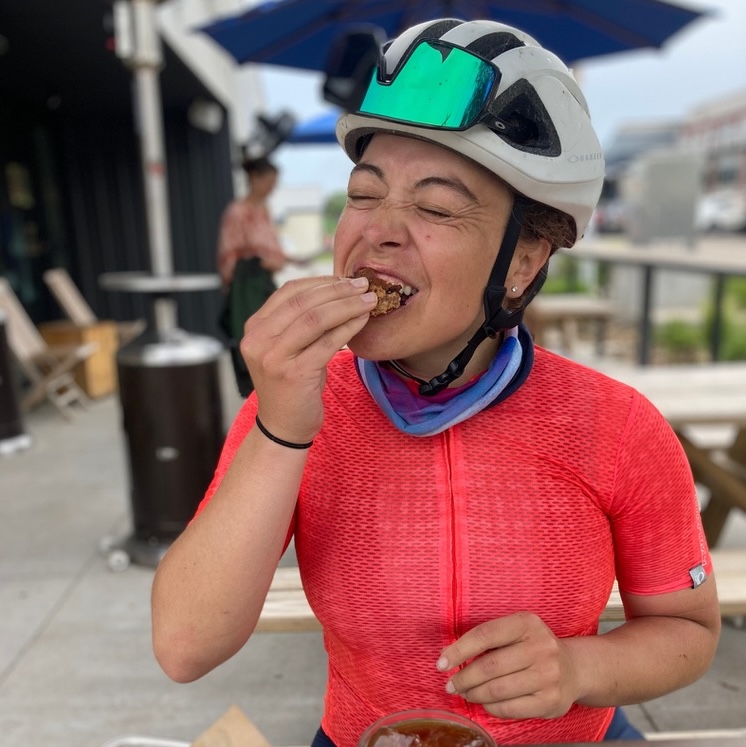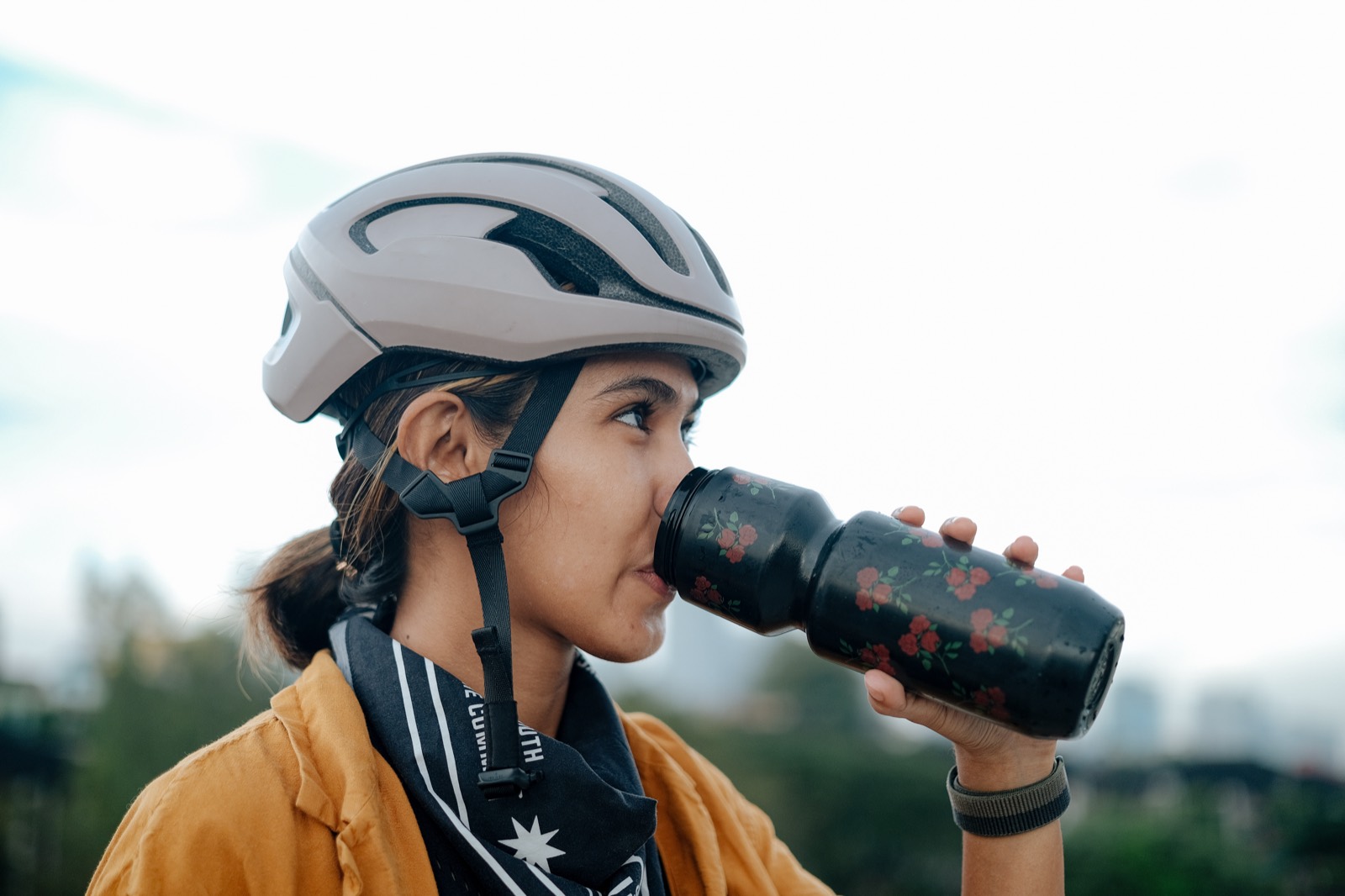
“I got off the bike at 1, and I was hangry at 5… I’ve made a mistake.”
That’s from a gravel racer I work with, and I hear some version of it all the time. Another rider looked back on a long day and said, “I rode for 4 hours. There’s no way that this was enough.” Another told me they typically aren’t eating after the ride until 8 or 9 at night.
The ride goes fine. The hours after it are where the day falls apart.
Why the gap happens
It’s rarely because people don’t know they should eat. It’s because life happens:
- You’re busy. You get off the bike and go straight into work, errands or family stuff, and suddenly it’s dinnertime.
- You have a drive home. Your ride started at a trailhead or a group ride meetup, and your kitchen is 45 minutes away.
- You’re just not hungry. As one athlete put it, “When it’s hot and you get back from a hot ride, I just don’t want to eat right away.”
All of those are real. But the gap still costs you.
Why it matters
Even if you’re hitting your 80 grams of carbs per hour on the bike, you’re still going to finish in a deficit. You burned through more than you took in, and your muscles’ glycogen stores need to be refilled.
The 30 to 45 minutes after you finish is when your muscles are most ready for it. The simple carbohydrates you take in then can easily be shuttled into your muscles to start refilling what you used.
Wait four or five hours, and you feel it. You crash, you get hangry, and you’re starving by the time dinner finally shows up. One athlete had an upset stomach at dinner after a long ride, and it most likely came from that long window without taking in anything.
The 4:1 ratio
A lot of athletes finish a long ride and reach straight for protein. Protein matters, but protein can’t do its job well without its buddy, carbohydrates.
Here’s why. During a long ride or run, you’re depleting your carbohydrate stores. Carbs are what refill them. Protein is there to start repairing and rebuilding your muscles, and it does that job better when carbs are around. When there’s carbohydrate available, your body isn’t tempted to use that protein as a source of energy, so the protein can go where it’s meant to go.
The general rule of thumb for endurance athletes is a 4:1 ratio: about 4 grams of carbohydrate for every 1 gram of protein. Anywhere from 3:1 to 4:1 works well. It’s actually more carb than protein, which surprises a lot of people.
In real numbers, that looks like:
- 40 grams of carbs with 10 grams of protein after a moderate ride
- 60 to 80 grams of carbs with 20 grams of protein after a long or hard one
That’s also why you see chocolate milk recommended so often for recovery. It naturally lands close to that ratio.
If you’re lifting weights, sure, protein can lead. But after rides and runs over an hour, make sure carbohydrate is in there too.
A bridge, not a meal
Your post-ride recovery isn’t meant to replace a meal. It’s meant to bridge you until your next one.
Think of it as covering the bases between getting off the bike and sitting down to real food. For me, that was the difference that meant I wasn’t a monster by the time I got home. You’ll still want a real meal later. The goal is to make sure you actually get there in one piece.
The recovery bottle in your car
This is my favorite fix, because it takes almost no effort and it works whether you’re busy, driving or not hungry.
- Dry scoop it before you leave. Put a scoop or two of recovery drink mix into an empty bottle and leave it in your car or your bag.
- Add water when you’re done. Fill it from your last bottle, or stop at a gas station or coffee shop on the way home and fill it up there.
- Sip on the drive. By the time you walk in the door, you’ve already started refilling what you burned.
I’ve become fairly religious about this. It makes recovery non-negotiable, because it’s already sitting there waiting for you. It’s also a really great way to get in around 300 calories without having to think about it.
Other options that work
If a recovery mix isn’t your thing, there are plenty of other ways to hit that 4:1 range:
- Chocolate milk. Simple, cheap and close to the ratio already.
- Your protein shake plus carbs. If you like your protein shake, keep it, and add carbs alongside it: a banana, some bread or pretzels, or a glass of juice. It doesn’t have to be in the same bottle.
- A smoothie. Protein powder, a banana and milk blended together gets you most of the way there.
- Something cold after a hot ride. When nothing sounds good after a hot day, a cooler, more liquid option is often much easier to get down than solid food.
Timing
Aim to get something in within 30 to 45 minutes of finishing. And if you want to have it the moment you stop, go for it. There’s no such thing as too soon here.
The real goal is to protect the time around your training with something carb-forward, so a busy afternoon doesn’t turn into a four-hour gap.
The bottom line
The ride isn’t over when you get off the bike. If you’re too busy or not hungry enough for a meal, you don’t need one yet. You need a bridge.
- Get something in within 30 to 45 minutes.
- Aim for roughly 4 grams of carbs for every 1 gram of protein.
- Make it easy: a recovery bottle in the car, chocolate milk, or your protein shake with a banana.
- Then eat a real meal when you get the chance.
If you want a plan for the whole day around your training, before, during and after, that’s what we build inside the Gravel Performance Nutrition Course and in 1:1 sessions.